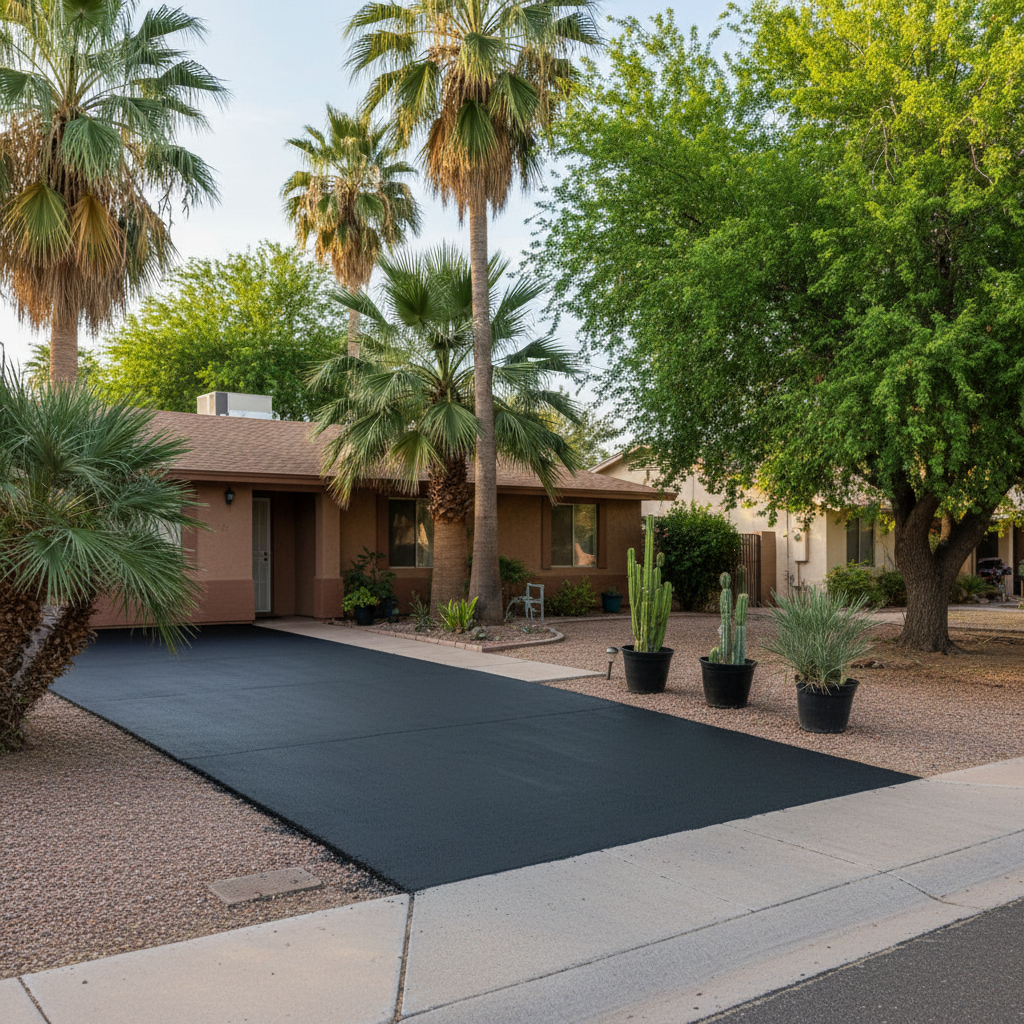
Alright, let's talk about slurry coating. It's one of those things homeowners often ask me about, especially as the seasons change here in Mesa. You want to protect your asphalt, make it look good, and get the most bang for your buck, right? But doing it at the wrong time, or not really understanding our local weather, can honestly mess things up.
When's the Best Time for Slurry Coating in Mesa?
Honestly, timing is super important here in the Valley. You can't just slap down a slurry coat whenever you feel like it. We've got extreme heat, monsoons, and then those beautiful, mild winters. Each one plays a role.
- Spring (March to May): This is usually your sweet spot. Daytime temperatures are consistently warm, but not scorching hot yet. You're looking for daily highs between 70-90 degrees Fahrenheit. This lets the slurry cure properly without drying too fast or getting washed away. Nights are cool enough, too, which helps with the curing process.
- Fall (October to November): Another good window opens up then. After the summer heat breaks and the monsoon season is behind us, temperatures settle down. Again, those 70-90 degree days are ideal. You really want to get it done before the nights get too cool, as that can slow curing way down.
What you absolutely want to avoid is the middle of summer. I'm talking June, July, August. It's just too hot. That slurry will dry way too fast, leading to cracking, poor adhesion, and a finish that just won't last. It's like trying to bake a cake at 500 degrees – it'll burn on the outside and be raw in the middle. Same principle, really. And don't even think about it during a monsoon forecast. Rain is the enemy of fresh slurry, full stop.
Weather Conditions That Affect Your Slurry Job
It's not just the season; it's the specific day's weather. Here's what I'm always checking before my crew from Mesa Diamond Asphalt gets to work:
- Temperature: As I said, 70-90 degrees is ideal. Anything below 50 degrees, and it won't cure right. Anything over 100, and it'll flash dry and crack.
- Humidity: Low humidity is your friend. High humidity, especially during monsoon season, can make curing times much longer.
- Rain Forecast: This is a non-negotiable. You need at least 24-48 hours of clear, dry weather after application. If there's even a 30% chance of rain, we're rescheduling. You definitely don't want your fresh slurry washing down the street.
- Wind: Strong winds can cause problems. They can dry the slurry too quickly, leading to an uneven finish. Plus, they can blow dust and debris onto the wet surface, which you absolutely don't want embedded in your new coat.
Making Your Slurry Coating Last Year-Round in Mesa
You've invested in protecting your driveway, so how do you make sure it holds up against our brutal Arizona sun and occasional downpours? It's all about ongoing care.
- Keep it Clean: Sweep off loose dirt, leaves, and debris regularly. Don't let oil or gas spills sit. Clean them up immediately with an absorbent material and a mild detergent. Those chemicals will break down your slurry over time.
- Watch for Cracks: Even with a fresh slurry coat, small cracks can develop. Our expansive clay soils in areas like Eastmark or Power Ranch can shift, leading to pavement stress. Address these cracks promptly. Don't let them grow. Fill them with a good quality crack filler to prevent water from seeping underneath and causing bigger problems.
- Avoid Heavy Loads: Try not to park heavy RVs or commercial vehicles on your newly coated driveway for extended periods, especially in the first few weeks after application. The weight can cause indentations or cracking.
- Protect from Sun: While slurry is designed to protect against UV rays, constant, direct sun exposure for years on end will still take its toll. If you have the option, a shade structure or even parking in a way that minimizes direct sun on certain areas can help.
- Reapply as Needed: A good slurry coat typically lasts 3-5 years, but this can vary based on traffic, sun exposure, and how well it was initially applied. Keep an eye on it. When it starts to look faded, dull, or you see aggregate showing through, it's probably time for another coat. Don't wait until it's completely worn out.
Doing it right the first time, and then taking care of it, is what really makes the difference. If you've got questions about your specific driveway or need an assessment, give us a call. We're always happy to take a look.