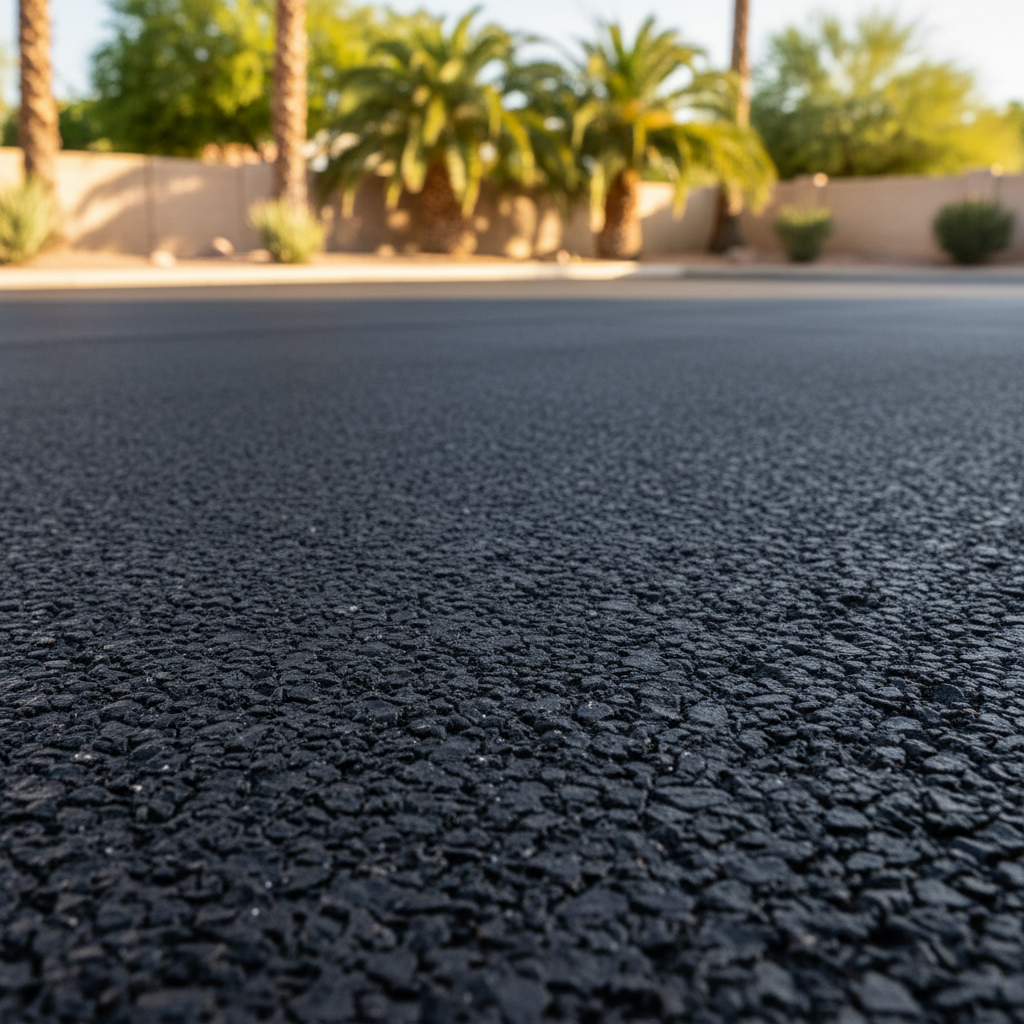
Alright, so you're thinking about putting in a new parking area at your place here in Mesa. Maybe you've got a growing family, a new RV, or you're just sick of tracking gravel into the house. Good call. A well-paved parking spot definitely adds value and makes life a lot easier. But before you grab a shovel, let's chat about what's actually involved. It's not just about pouring some black stuff on the ground, you know?
Before You Start: Planning & Permits
First things first: planning. You can't just pave anywhere you feel like it. Check with the City of Mesa's planning department. You might need a permit, especially if you're changing how water drains or adding a lot of hard surface. Trust me, getting caught without a permit is a monster headache you really don't want. They'll make you rip it up, and that costs way more than just applying for a permit in the first place.
Next, think about drainage. This is absolutely critical in Arizona. When our monsoon rains hit, that water needs a place to go that isn't your house or your neighbor's yard. You'll need to grade the area so water flows away from any structures, ideally toward a landscaped spot or a proper drain. For most folks, this isn't a DIY job. Getting that slope just right, even a slight 1-2% grade, needs a laser level and some real expertise. If you mess this up, you'll end up with standing water, which inevitably leads to cracks and your asphalt failing way too soon.
Consider the size and shape. Will it be big enough for all your vehicles? Do you need space to turn around? What about access to utilities? You definitely don't want to pave over a future sewer cleanout or water line, right? Mark out the area with some spray paint or stakes. Live with it for a few days. Drive on it. Walk around it. Make sure it feels right before you commit.
During the Project: Groundwork & Paving
This is where the line between DIY and hiring a pro gets pretty clear. For a homeowner, preparing the ground is probably the most you can realistically do yourself, and even that's a huge undertaking. You'll need to dig out the area to the right depth – usually 6-8 inches for a residential parking area. Then you'll need to lay down a good, compacted base. Here in Mesa, with our caliche soil, proper compaction is absolutely essential. If you don't compact the subgrade and the aggregate base correctly, your asphalt will crack and sink in no time flat. You'll need equipment like a plate compactor or a roller, which you can rent. Spreading and leveling that aggregate base (like ABC or decomposed granite) also takes a lot of grunt work and a keen eye for detail.
When it comes to laying the asphalt itself? That's almost always a job for the pros. Hot mix asphalt needs to be laid quickly, at a specific temperature, and compacted immediately with heavy rollers. It's not like pouring concrete where you can take your sweet time. You need specialized equipment, a whole crew, and plenty of experience to get a smooth, durable finish. Trying to do this yourself will almost certainly result in a lumpy, uneven, short-lived surface. You'll just end up paying more to have it fixed or redone later. That's where a company like Mesa Diamond Asphalt comes in. We've got the gear and the crew to get it done right the first time, no fuss.
After the Paving: Curing & Maintenance
Once the asphalt is down, don't drive on it right away. Give it a few days, maybe even a week, especially in our Arizona heat, to cure properly. Heavy vehicles, sharp turns, or even parking in the exact same spot too soon can leave permanent indentations. You'll see the pros put up barricades for a reason, after all.
Maintenance is key to making your new parking area last for years. Here's what you need to do:
- Keep it clean: Sweep off dirt, leaves, and debris regularly. This stops organic matter from breaking down and staining the surface, and helps water flow freely.
- Address spills immediately: Oil, gas, and other automotive fluids are asphalt's worst enemy. They break down the binder, causing soft spots and potholes. Clean them up with absorbent materials and a mild detergent as soon as you can.
- Sealcoating: Think of this as your asphalt's sunscreen. Here in Mesa, the sun beats down hard, and UV rays dry out the asphalt, making it brittle. A good sealcoat every 2-3 years protects it from the elements, makes it look better, and extends its life. This is something you can do yourself for smaller areas if you're careful, but for a truly professional finish and proper product application, a pro is usually your best bet.
- Crack filling: Small cracks will pop up over time. That's totally normal. The trick is to fill them before they become big problems. Water gets into cracks, freezes (rarely here, but it can happen), expands, and widens them. Or, more commonly, water just sits there and weakens the base. You can buy crack filler at hardware stores and apply it yourself. Just make sure the crack is clean and dry first.
Look, a new parking area is a big investment. Doing the planning, some of the prep work, and definitely the ongoing maintenance yourself can save you some money. But for the heavy lifting – the excavation, grading, and especially the actual paving – bringing in a professional is usually the smartest move. It ensures you get a durable, long-lasting surface that you won't have to worry about for years to come.