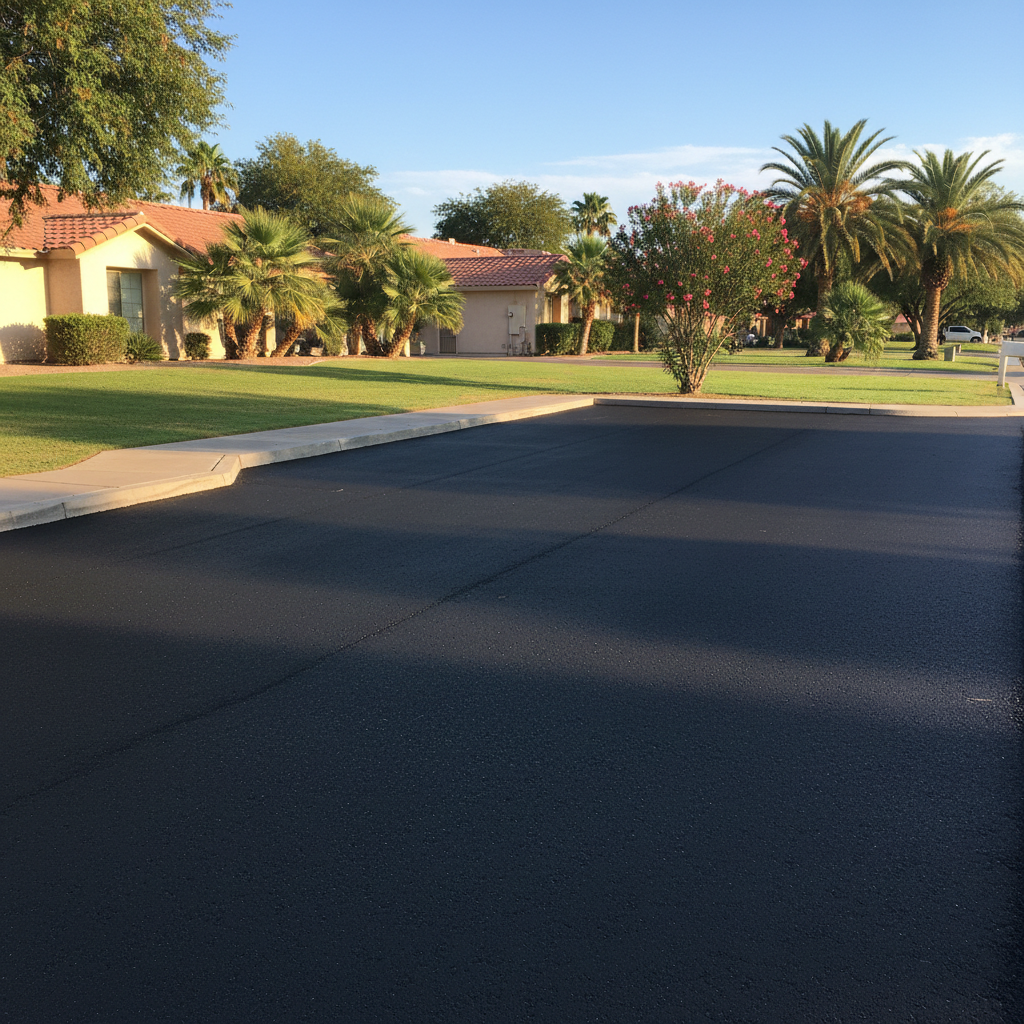
When's the right time to get that commercial parking lot or access road done? That's a question I hear a lot from business owners here in Mesa, and it's a good one, too. You see, our Arizona climate isn't like most places. It's got its own quirks, and if you don't play by its rules, your asphalt investment just won't last as long as it should.
Timing Your Commercial Asphalt Projects in Mesa
You'd think any time is a good time to lay asphalt, right? Not exactly. The biggest factor for us around here is temperature. Asphalt needs to be laid and compacted at certain temperatures so it can cure properly and get to its full strength. If it's too hot, it can be hard to compact right and might even start to 'bleed' or track. Too cold, and it won't bind correctly, which leads to premature cracking and failure. Nobody wants that.
For Mesa, the sweet spot for major asphalt paving or resurfacing projects usually falls in the cooler months. We're talking late fall, winter, and early spring. From about October through April, the daytime temperatures are generally perfect. You want consistent temperatures, ideally somewhere between 50 and 85 degrees Fahrenheit. This keeps the asphalt mix workable, but not so hot that it gets unstable before we can compact it properly.
Now, I know what you're thinking: "But I need this done now!" We can certainly work in hotter temperatures, but it often means we have to adjust the mix, work in smaller sections, and be extra careful with compaction. It's definitely doable, but it's not always the best for the absolute longest-lasting results. For smaller repairs, patching, or crack sealing, we have more wiggle room, but for a full overlay or new construction, cooler weather is your best friend.
How Mesa's Weather Impacts Your Asphalt Work
Beyond just temperature, there are a few other weather conditions we keep a close eye on:
- Rain: This one's pretty obvious. You just can't pave in the rain. Water messes with the asphalt's ability to bond and cure. Even if it's just a light drizzle, we'll probably reschedule. We also need the ground to be dry before we start, especially if we're doing any kind of sub-base work.
- Humidity: While not as critical as temperature or rain, really high humidity can sometimes slow down how quickly certain sealants or coatings cure. It's usually not a showstopper for paving itself, but it's something we think about for those finishing touches.
- Wind: Strong winds can cool the asphalt mix too fast, making it harder to work with and compact effectively. It can also blow dust and debris onto a fresh surface, which is far from ideal. Mesa's dust storms, for instance, are definitely not paving weather.
We're always watching the forecast closely. Good contractors, like us at Mesa Diamond Asphalt, will let you know about any necessary schedule changes because of the weather. It's not about being difficult; it's about making sure your investment is protected and the work gets done right the first time.
Protecting Your Commercial Asphalt Investment Year-Round
Once your commercial asphalt is laid, the battle isn't really over. Our intense Arizona sun and those occasional heavy monsoon rains can really beat it up. Here's what you need to do to keep it in top shape:
- Sealcoating: Think of this as your asphalt's sunscreen and raincoat. A good sealcoat every 2-3 years (depending on how much traffic it sees and how much sun it gets) protects the asphalt binder from UV rays, oxidation, and water getting in. It keeps the surface flexible and stops it from getting brittle and cracking too soon.
- Crack Sealing: Don't ignore those small cracks! They're like open invitations for water to sneak underneath your pavement. Once water gets in, especially with our expansive clay soils here in parts of Mesa, it can cause the sub-base to erode and lead to much bigger problems like potholes and alligator cracking. Seal cracks quickly to prevent all that.
- Pothole Repair: As soon as you spot a pothole, get it fixed. Potholes only get bigger and more dangerous. They're not just ugly; they're a liability for your customers and employees.
- Drainage Maintenance: Make sure your drainage systems are clear and working correctly. Water pooling on your asphalt is a huge enemy. It softens the sub-base and makes things fall apart faster.
- Regular Sweeping & Cleaning: Keep the surface free of debris, oil spills, and chemicals. Oil and gas can actually break down the asphalt binder over time.
Think of it like maintaining your car. Regular upkeep stops you from needing major, expensive repairs down the road. A well-maintained commercial parking lot isn't just about looking good; it's about safety, accessibility, and showing a professional image for your business. Don't wait until it's a disaster to call us. A little proactive care goes a long way in our tough desert environment, wouldn't you agree?
Final Thoughts on Mesa Asphalt
So, here's the main takeaway: plan your big asphalt projects for the cooler months, respect what our Mesa weather can throw at you, and then commit to a solid maintenance plan. Do those things, and your commercial asphalt will serve your business well for many years to come.