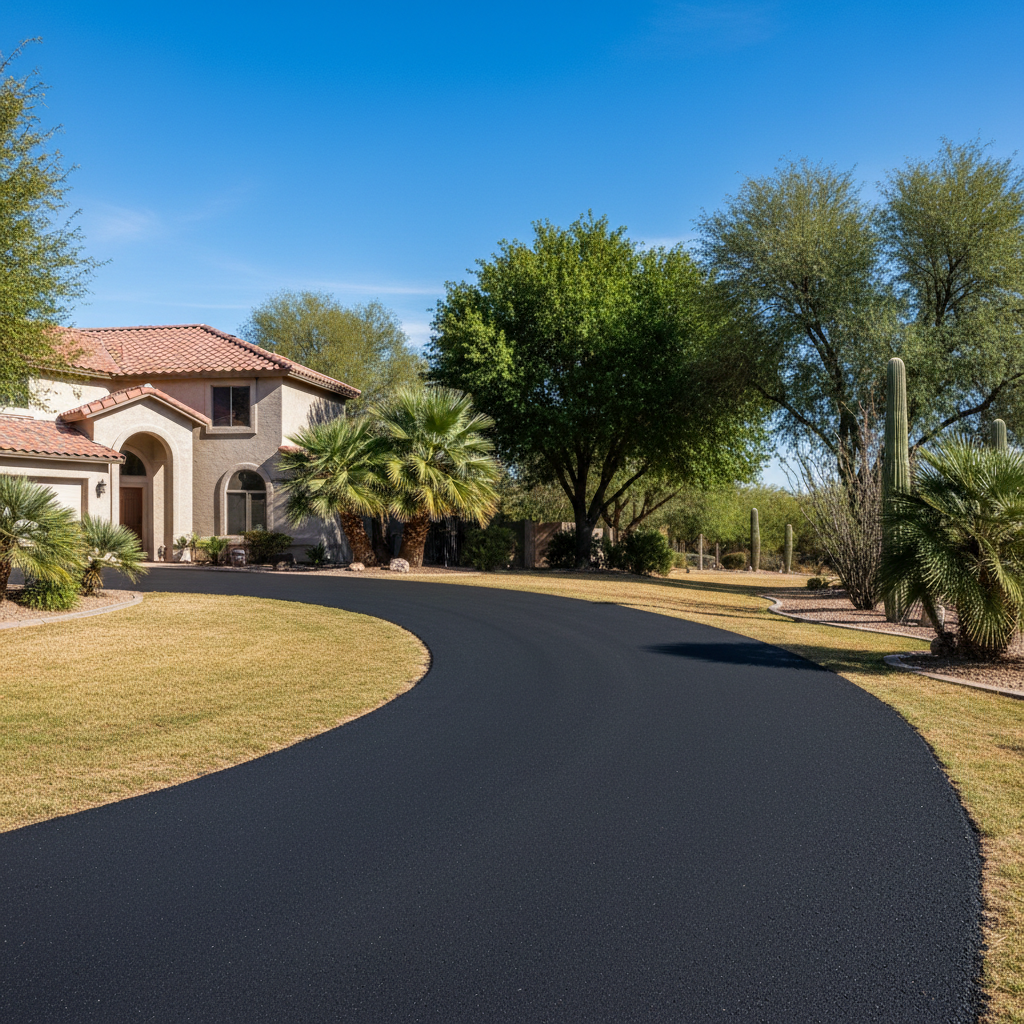
So, you're thinking about getting that driveway redone, or maybe just some repairs, right? And you're probably asking yourself, "When's the best time to do this?" That's a fair question, especially here in Mesa where the weather doesn't always play nice with asphalt. Getting the timing right isn't just about convenience; it's about making sure your investment actually lasts.
When to Schedule Your Asphalt Work in Mesa
Here in the Valley, our seasons are a bit different from other places. You don't have to worry about freezing and thawing cycles like folks up north, thank goodness. But our intense summer heat? That brings its own set of challenges. So, when's the sweet spot for asphalt work?
- Fall (October - November): This is prime time, no doubt about it. The scorching summer heat has usually backed off by then, but the ground is still warm enough for the asphalt to cure properly. It's not too hot for my crew to work efficiently, and the material just sets up beautifully. You'll definitely get the best results if you can schedule during these months.
- Spring (March - April): Another great window opens up in spring. Temperatures are usually mild – not too hot, not too cold. It's a busy time for us, though, as everyone wants to get their projects done before the summer blast hits. Book early if you're aiming for spring.
- Winter (December - February): We can still do work, but it really depends on the specific day's temperature. If it's too cold, the asphalt won't compact right, and you'll end up with a weaker surface. We're talking about temperatures consistently above 50°F (10°C) for good results, by the way. Sometimes we get those perfect winter days, but it's less predictable.
- Summer (May - September): This is the toughest time, frankly. Paving in 110-degree heat? It's brutal on the material and the crew. The asphalt can cool too quickly, making it harder to work with and compact properly. Or, it can stay too hot and be difficult to roll without tearing. While we can certainly do emergency repairs, I generally advise against major paving projects during the peak summer months unless absolutely necessary. It's just not ideal for quality or longevity.
Weather Conditions That Impact Paving
Beyond just the season, specific weather conditions on the day of the job make a huge difference. You might think, "It's always sunny in Arizona," but there's more to it than that.
- Temperature: I already touched on this, but it's crucial. Asphalt needs to be laid and compacted at specific temperatures to achieve the right density and strength. Too cold, and it won't compact. Too hot, and it can be unstable. We're always checking the forecast to make sure the conditions are just right.
- Rain: This is a big no-go. You simply can't pave on a wet surface. The water prevents the asphalt from bonding correctly to the base, leading to all sorts of problems down the line, like premature cracking and potholes. If rain is in the forecast, we'll reschedule. It's better to wait a day or two than to do a job that won't hold up, wouldn't you agree? Even a light drizzle can ruin a fresh paving job.
- Wind: Strong winds can cause the asphalt to cool too quickly, making it harder to work with and compact. It's not as critical as temperature or rain, but it's something we consider, especially on larger projects.
Protecting Your Asphalt Investment Year-Round
Once you've got that beautiful, fresh asphalt, you want to keep it looking good and performing well. Here's how to do it:
- Sealcoating: This is your asphalt's sunscreen and protective layer. Here in Mesa, with our relentless sun and UV rays, sealcoating every 2-3 years is non-negotiable. It protects against oxidation, water penetration, and those harsh UV rays that break down the asphalt binder. Think of it like painting your house – it's not just for looks, it's for protection.
- Crack Sealing: See a crack? Get it filled. Water is asphalt's worst enemy. Once water gets into those cracks, especially with our monsoon season downpours, it can erode the base layer, leading to bigger cracks and potholes. Don't wait; small cracks become big problems fast.
- Cleanliness: Keep your driveway free of debris, oil spills, and chemicals. Oil and gas can dissolve the asphalt binder, creating soft spots. If you spill something, clean it up quickly. Also, watch out for tree roots, especially if you live in older neighborhoods like those around the Dobson Ranch area where mature trees are common. Their roots can push up and crack your pavement.
- Proper Drainage: Make sure water drains off your driveway, not pools on it. Standing water accelerates deterioration. If you have low spots, we can sometimes address those during repairs or resurfacing.
- Avoid Heavy Loads: While asphalt is tough, repeatedly parking heavy RVs, boats, or commercial vehicles can put excessive stress on your driveway, leading to rutting and cracking. If you have heavy vehicles, consider reinforcing specific areas or parking them on a dedicated, stronger surface.
Look, your driveway is a big part of your home's curb appeal and functionality. Taking care of it, and knowing when to get the work done, will save you headaches and money in the long run. If you've got questions about your specific situation or need a quote, don't hesitate to give us a call at Mesa Diamond Asphalt. We're here to help you get it right.