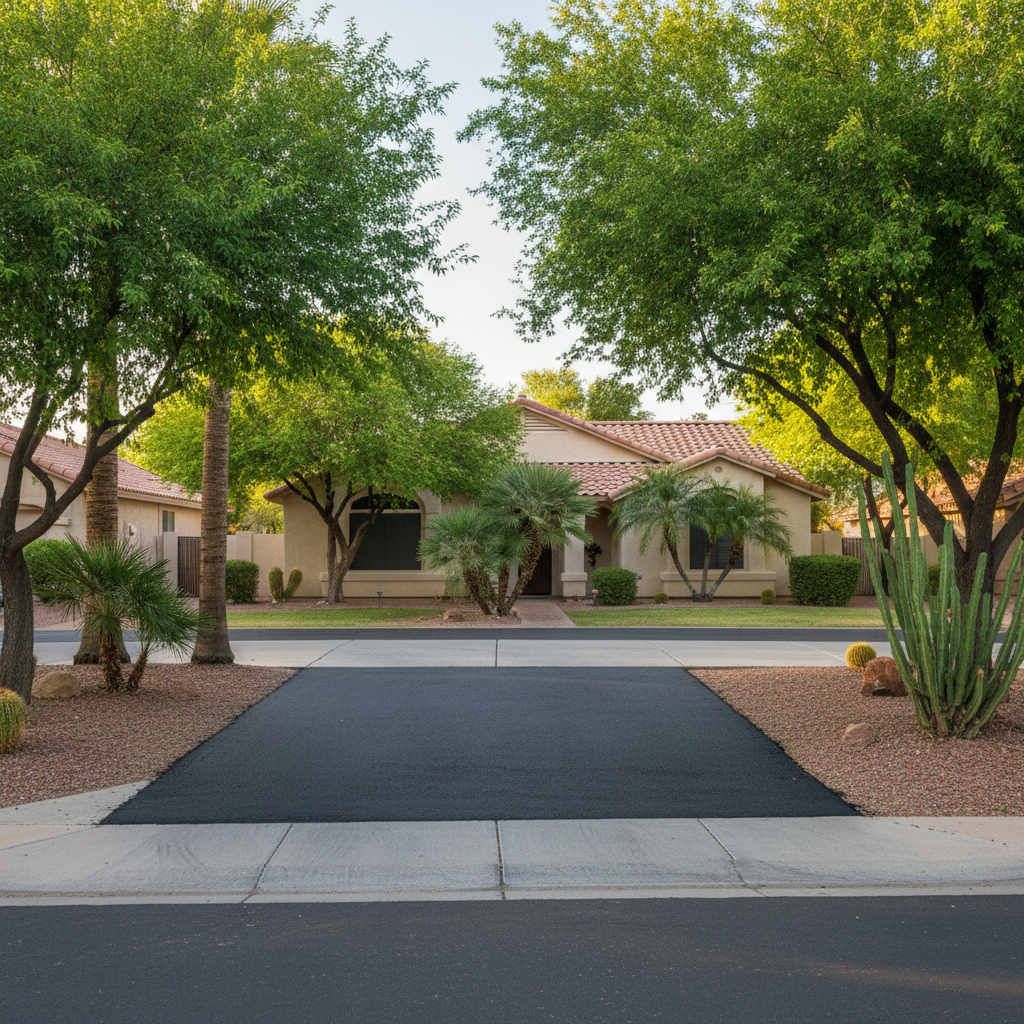
So, you finally got that asphalt fixed, whether it was just a little pothole or a bigger section. Smart move, truly. But here's the thing: repair work, just like brand-new pavement, isn't something you can just 'set and forget,' especially not here in Mesa. Our Arizona climate, with its brutal summer heat and those sudden, heavy monsoon downpours, really beats up asphalt. You want that repair to last, don't you? Of course! So, let's talk about how to make sure it does.
Making Your Asphalt Repair Last Longer
The absolute best thing you can do to make any asphalt repair stick around is to shield it from the weather and heavy use. Think of it like sunscreen for your skin – it's all about stopping problems before they start. For fresh repairs, particularly, you've got to give them enough time to cure right. That means keeping heavy vehicles off them for at least a few days, maybe even a week, depending on the repair type and the weather. We'll always give you the exact timeline after we've finished the job, but seriously, patience is crucial.
Once it's cured, regular sealcoating becomes your best friend. And I really can't emphasize this enough. Sealcoating creates a protective barrier against the sun's UV rays, which, let's be honest, are a huge reason asphalt breaks down here. It also pushes away water and stops oils and chemicals from soaking into the surface. For a typical residential driveway, you're probably looking at sealcoating every 2-3 years. Commercial spots with more traffic might need it more often. It keeps the surface flexible, you know, and stops those tiny cracks from showing up and getting bigger.
Proper drainage is another big one. If water is just sitting there, pooling on or near your repaired area, that's a problem. Water seeping into the sub-base is actually what causes a lot of asphalt failures. So, check your gutters, make sure they're clear, and direct water away from your paved surfaces. Even a slight slope can make a world of difference.
Regular Upkeep: Your Pavement's Secret Weapon
Regular maintenance isn't just about big projects like sealcoating; it's also about those little things you can handle yourself. Here's what I always tell people:
- Keep it Clean: Sweep off dirt, leaves, and other junk regularly. Organic stuff can trap moisture and slowly break down, causing issues. Oil and gas spills? Clean those up right away with something absorbent to keep them from softening the asphalt.
- Watch for Weeds: Weeds and grass poking through cracks might seem harmless, but their roots can actually widen those cracks and make things worse. Pull them out or use a weed killer made for paved areas.
- Fix Small Cracks Fast: Don't wait for a tiny crack to turn into a gaping pothole. Grab some good quality crack filler as soon as you spot them. This keeps water out and stops the problem from getting out of hand. Honestly, filling a hairline crack is way cheaper and easier than patching a crater.
- Avoid Super Heavy Loads: Try not to park or drive really heavy vehicles (like RVs or commercial trucks) on areas not built for that kind of weight. This is especially true for older asphalt or sections we've just repaired.
Warning Signs You Absolutely Can't Ignore
Your asphalt will definitely tell you when it's hurting; you just need to know what to look for. These are the big red flags:
- New Cracks or Growing Cracks: If new cracks pop up, or existing ones get wider or longer, that's a sign water is getting in and doing damage. Alligator cracking — that pattern of interconnected cracks that looks like alligator skin — is a huge red flag, usually meaning the base is failing.
- Potholes: These are pretty obvious, but remember, they start small. A little dip that holds water will eventually become a pothole. Don't just ignore them.
- Fading and Discoloration: If your asphalt looks gray instead of that deep black, it means the sun's UV rays are breaking down the asphalt binder. This makes it lose its flexibility and get brittle, which, of course, makes it more likely to crack.
- Soft Spots or Dips: If you notice areas that feel squishy or soft when you walk or drive over them, or if puddles form after rain where they never used to, it could mean the base material underneath is failing because of water. This happens a lot in parts of Mesa with expansive clay soils, which can shift when wet.
- Raveling: This is when the aggregate (the small stones) starts coming loose from the surface. It makes the asphalt look rough and worn, and it's a clear sign the binder is deteriorating.
When to Bring in the Pros
Look, I'm all for DIY fixes when they make sense. Filling a small crack or cleaning up a spill? Go for it. But there are definitely times when you really need to call in the experts. That's where folks like us at Mesa Diamond Asphalt come in. You should pick up the phone if you see:
- Lots of Alligator Cracking: If a big section of your pavement looks like alligator skin, it's way past a simple patch job. The base underneath is probably messed up, and you'll need a much bigger repair, maybe even digging out and replacing that section.
- Big Potholes: While you can temporarily fill small potholes, large, deep ones often point to a bigger underlying problem that needs a professional assessment and repair to keep it from coming back.
- Major Dips or Drainage Problems: If water is constantly pooling in an area, or if you have significant soft spots, you've got a sub-base issue that needs professional equipment and know-how to fix correctly.
- Many, Widespread Cracks: If your whole driveway or parking lot is just riddled with cracks, it might be time for a full sealcoating or an overlay, which is definitely a job for experienced asphalt contractors.
- You're Just Not Sure: Honestly, if you're staring at your asphalt and you're just stumped about what's going on or what the best fix is, give us a call. It's always better to get a professional opinion early rather than letting a small problem turn into a really expensive one, right? We're happy to take a look and give you an honest assessment.
Taking care of your asphalt isn't just about how it looks; it's about protecting your property value and stopping bigger headaches down the road. A little attention goes a long way, especially with that Mesa sun beating down. Keep an eye on things, jump on small issues quickly, and don't hesitate to reach out when you need the big guns. We're here to help keep your pavement in tip-top shape.