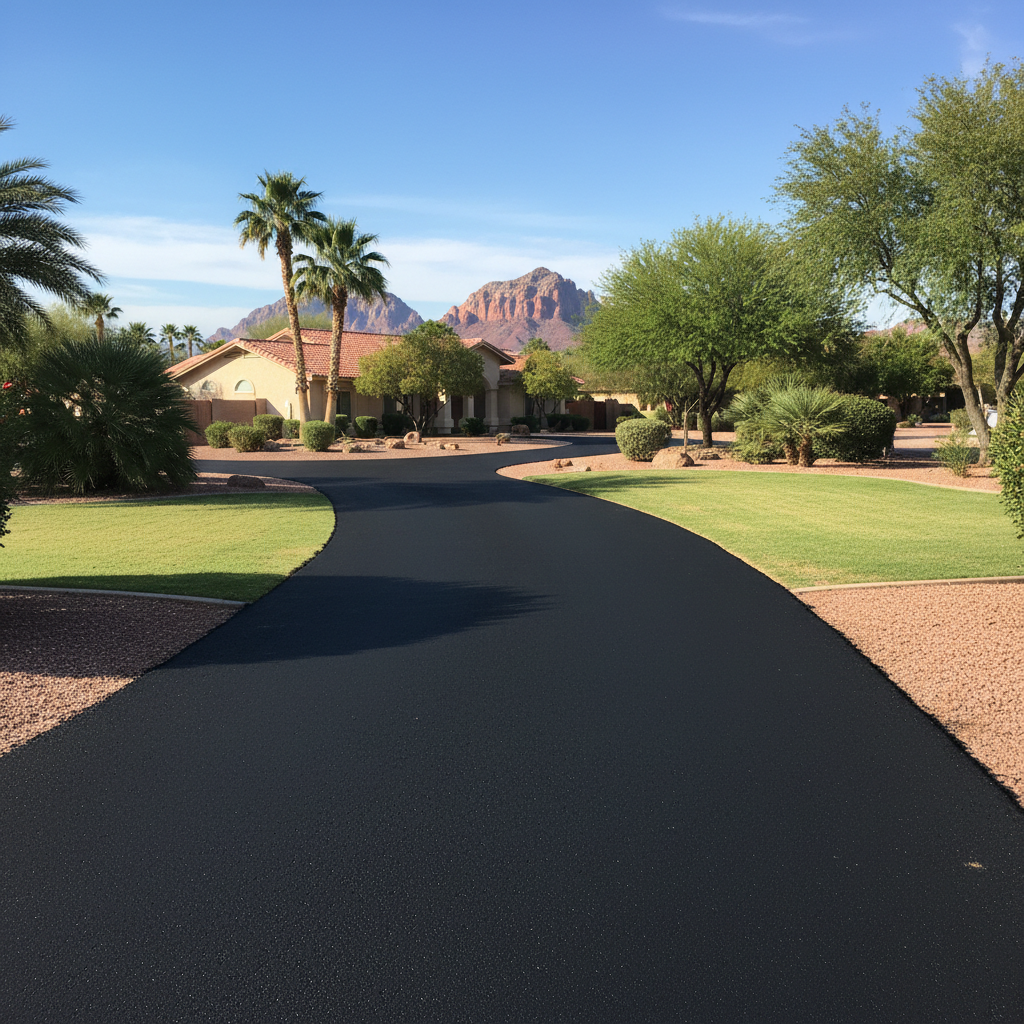
Alright, let's talk about your asphalt. You've put money into it, whether it's your driveway, a parking lot, or a private road. Now, how do you make sure it holds up against that relentless Arizona sun and everything else we throw at it? It's not brain surgery, but it does need a little attention, especially with our one-of-a-kind climate right here in Mesa.
Making Your Asphalt Last Longer in the Desert
The biggest enemy of asphalt around here isn't just heavy traffic; it's the sun, plain and simple. UV rays and extreme heat dry out the binders in the asphalt, making it brittle and prone to cracking. So, what's a person to do?
- Sealcoating is your absolute best friend: Think of sealcoat like sunscreen for your asphalt. It puts a protective layer right over the surface, blocking those harsh UV rays and stopping water from getting in. For residential driveways, I usually tell folks to sealcoat every two to three years. For commercial lots, which see a lot more action, you might need it a bit more often. It's a small upfront cost that really pays off big in the long run.
- Good drainage is super important: Water is another big troublemaker. If water just sits on your asphalt, it'll seep into any cracks. Then, when it expands and contracts with our temperature swings (even though we don't get much freezing here, that heat still makes things expand), those cracks just get wider. So, make sure your gutters are sending water away, and if you've got any low spots where water puddles, get those fixed.
- Keep it clean: Sounds obvious, right? But oil spills, gasoline, and other chemicals can actually break down asphalt. Clean them up fast. Even plain old dirt and debris can hold moisture against the surface, which speeds up wear and tear. A good sweep or a power wash (keep it on a low setting, don't blast it!) every now and then really helps.
What Regular Maintenance Looks Like
Beyond sealcoating, there are a few other things you should be doing on a regular basis.
- Crack Filling: This is probably the most important thing you can do between sealcoats. The moment you spot a crack, fill it. Seriously, don't wait even a day. A small crack is easy and cheap to take care of. Let it go, and boom — it turns into a pothole. We've seen cracks on properties near the Superstition Springs area that started tiny and became huge headaches just because nobody dealt with them.
- Edge Maintenance: The edges of your asphalt are often the weakest spots. Keep vegetation trimmed back; you don't want roots growing underneath and lifting the pavement. Also, try to avoid driving really heavy vehicles right on the edge if it's not well-supported.
- Pothole Repair: If you do end up with a pothole, get it fixed right away. Potholes grow super fast, especially with cars driving over them. A proper patch will stop further damage to the asphalt around it.
Warning Signs You Can't Afford to Ignore
Your asphalt will definitely tell you when it needs help. You just have to know what to look for, you know?
- Alligator Cracking: This looks like a bunch of cracks all connected, kind of like an alligator's skin. It means the base layer underneath is failing, or the asphalt itself has gotten really brittle. This is a serious signal that your asphalt is nearing the end of its life without some major work.
- Potholes: We already talked about these, but they're a clear sign of trouble brewing.
- Fading and Discoloration: If your asphalt looks gray instead of that rich black, it means the oils are drying out, and it's losing its flexibility. This often means it's way past time for sealcoating.
- Raveling: This happens when the aggregate (those small stones) starts to come loose from the surface. It makes the surface rough and shows the binder is failing.
- Standing Water: If you see puddles after a rain, even a light one, you've definitely got drainage issues that need sorting out.
When to Call a Professional
Look, I'm a big fan of doing what you can yourself. But some jobs are just too big or too complicated for a DIY approach. Here's when you should absolutely give us a call at Mesa Diamond Asphalt:
- Extensive Alligator Cracking: If you've got big areas of this, you're probably looking at more than just a simple patch. You might need an overlay or even a full replacement of certain sections.
- Large Potholes or Lots of Potholes: While you can patch small ones, if you're constantly patching or have massive holes popping up, it's time for a professional to take a look.
- Significant Drainage Problems: If water is pooling all the time, you might need regrading or some more serious solutions than just filling a crack.
- Asphalt is Heaving or Sinking: This points to problems with the sub-base, which is a structural issue that really needs an expert's attention.
- You're Not Sure: Honestly, if you see something and you're not quite sure if it's a big deal or not, just call us. It's always better to get an expert opinion early than to let a small problem turn into a super expensive one. We're always happy to come out and take a look.
Taking care of your asphalt isn't just about making it look good; it's about protecting your investment. A little proactive maintenance really goes a long way, especially under our tough Arizona conditions.